

Killing SaaS in Order to Save It
Contents
The software industry has spent the last twenty years convincing enterprises to stop building applications and start subscribing to them. The argument was compelling. Why hire developers, maintain infrastructure, patch servers, manage upgrades, and carry technical debt when a SaaS provider could do all of that for you?
That argument worked. SaaS became the dominant enterprise software model.
But artificial intelligence may be reopening a question that SaaS vendors thought had been permanently closed: what should companies build for themselves?
This is not a return to the old on premise world. Companies are not necessarily rebuilding large internal development organizations, buying servers, or recreating the software factories they once tried to escape. Something different is happening. AI is lowering the cost of building useful internal applications so dramatically that companies can now create targeted tools in hours or days that previously would have required a vendor selection process, a subscription contract, a project team, and a long implementation cycle.
The result is uncomfortable for SaaS vendors. The same customers who once moved to SaaS to avoid custom development may now use AI to replace pieces of their SaaS estate with lightweight internal tools.
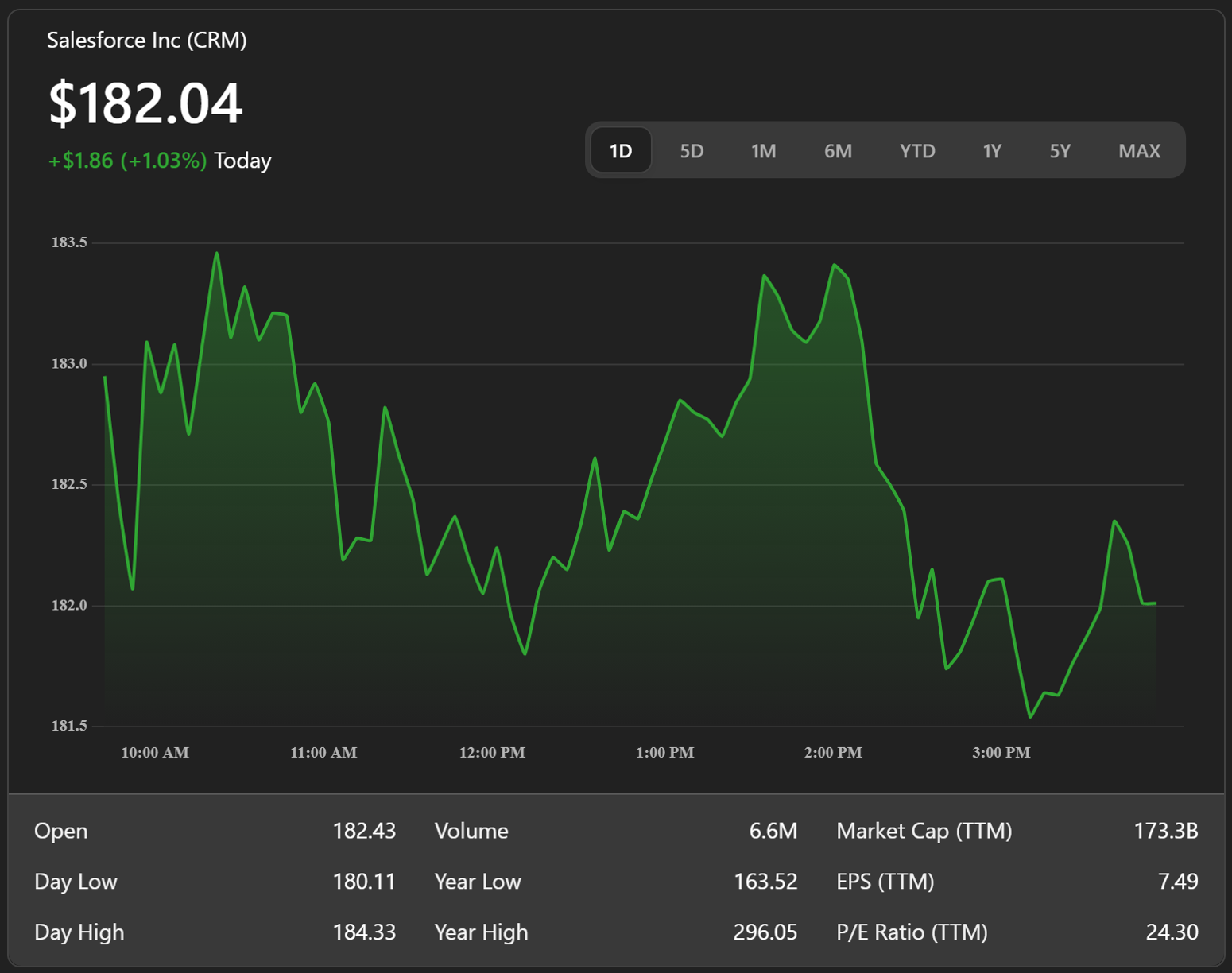
The market appears to be noticing. Salesforce recently traded around $182, well below its 52 week high of about $296.
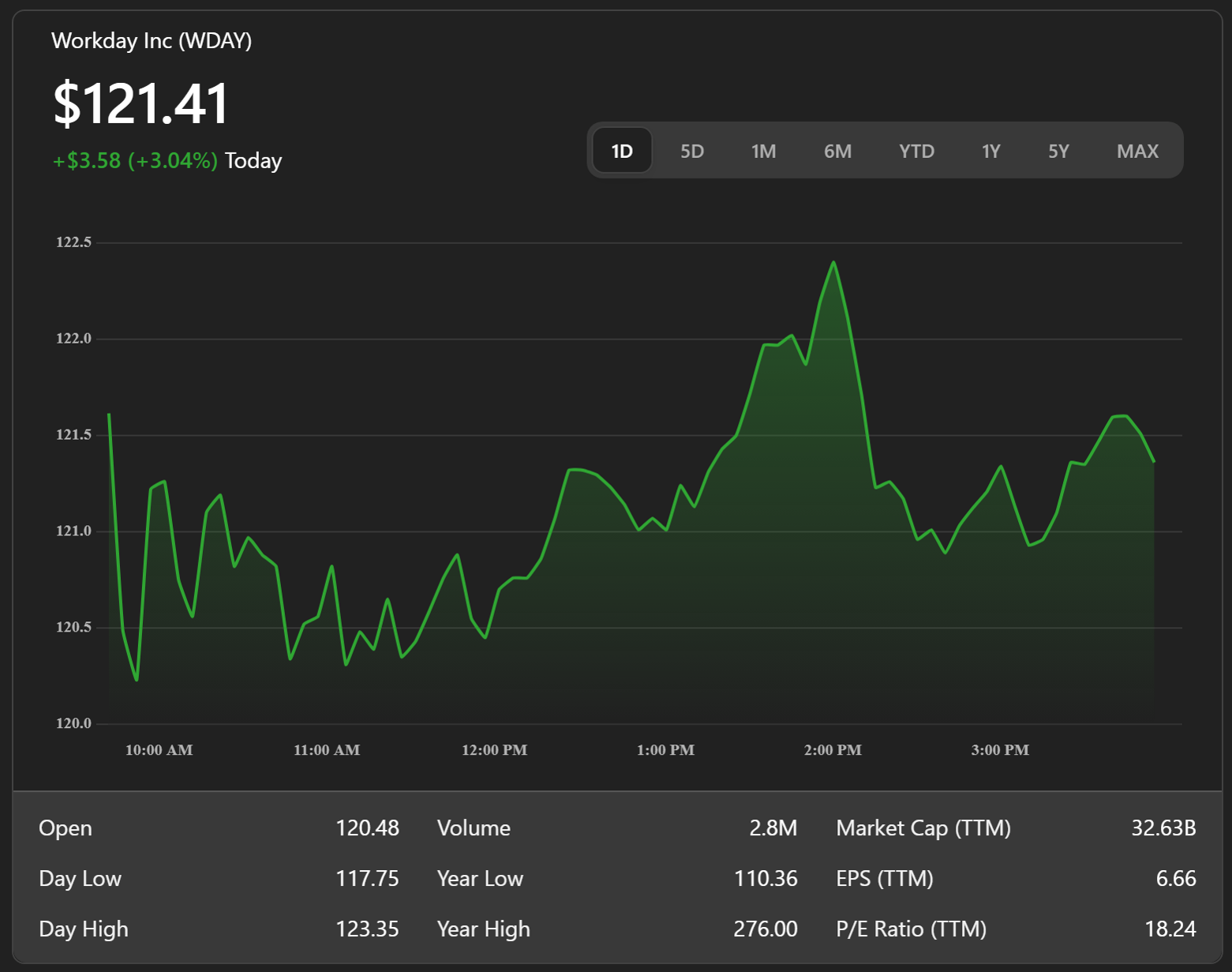
Workday recently traded around $121, with a 52 week range of roughly $110 to $276.
Reuters reported that Salesforce shares had lost more than 28 percent year to date after weaker revenue guidance while Workday fell sharply after forecasting subscription revenue below expectations and facing investor concern about AI disruption.
There is growing evidence that the SaaS model, as currently constructed, is under pressure. The most striking example is not a startup. It is a well established enterprise software company backed by one of the most successful private equity firms in the world.
In 2021, Thoma Bravo acquired Medallia for approximately 6.4 billion dollars, betting on continued growth in customer experience software. Just a few years later, that investment is effectively being wiped out. The firm is now expected to hand control of Medallia to its lenders, erasing roughly 5.1 billion dollars in equity.
This is not a minor write down. This is a near total loss on a large scale SaaS investment. Medallia is burdened with billions in debt, and lenders are preparing to take ownership through a restructuring. The situation reflects a broader issue across software and private credit markets, where companies acquired at peak valuations are now struggling under slower growth, higher interest rates, and increasing competitive pressure. And now, there is a more structural problem emerging beneath the surface.
The software as a subscription model that powered a multi decade bull market depended on two core assumptions. First, that seat counts would continue to grow. Second, that vendors could increase prices year after year. Artificial intelligence threatens both.
If fewer humans need direct access to systems because AI agents can operate on their behalf, then seat expansion stalls or reverses. If customers can rapidly build internal alternatives or augment workflows with AI, then pricing power erodes.
The financial markets are already reacting. Software multiples have been cut in half, and for the first time in decades, price to earnings ratios for software companies are now sitting below the broader market multiple. That is not a normal correction. That is a signal.
To understand the scale of the problem, you have to look at what happened between 2018 and 2022. Private equity firms poured trillions of dollars into software companies, betting on predictable recurring revenue, expanding margins, and continuous growth. SaaS was treated as one of the safest and most reliable asset classes in the market. That assumption is now being challenged in a very public way.
According to Steve Eisman, the fund manager who famously called the subprime mortgage crisis, every single one of those software deals is now underwater and probably by a lot. That is a staggering statement. It suggests that what we are seeing is not just a few isolated failures, but a systemic repricing of the entire SaaS ecosystem. Medallia is simply one of the first high profile examples where the math has already broken.
To be fair, the story is not simply “AI is killing SaaS.” Enterprise software spending is still large, and many companies will not casually replace systems of record such as HR, finance, identity, ERP, or CRM. CIOs are likely to be far more cautious than investors. Gartner has also predicted that enterprise applications will rapidly add task specific AI agents, which suggests SaaS is evolving, not disappearing.
But the pressure is real. The threat is not that every enterprise will rebuild Salesforce or Workday from scratch. The threat is that customers will begin asking a much more dangerous question: Do we really need this many seats?
For years, SaaS pricing has been built around the user. More users meant more subscriptions. More departments meant more licenses. More workflows meant more modules. But in an AI enabled operating model, the user may no longer be the only actor. An AI agent can interact with applications through service accounts, APIs, workflow engines, and data layers. A company may still need the system of record, but it may not need every employee to log into every system. That changes the economics.
The cost center begins to shift from per user subscriptions to AI consumption, token usage, automation infrastructure, data access, governance, and integration. Instead of paying for hundreds of human users to navigate screens, companies may pay for a smaller number of governed application interfaces that AI agents use on behalf of employees.
At Identity Fusion, we have already seen this pattern at a practical level. We were able to rapidly develop internal tools to manage and track company operations in a matter of hours. These tools did not require a traditional software project. They did not require a large development team. They did not require a new SaaS subscription for every employee. They solved focused business problems quickly, reduced reliance on external products, and lowered operational cost.
That is the part SaaS vendors should worry about most. Not the replacement of the entire platform, but the erosion around the edges. Reporting tools. Workflow trackers. Lightweight CRMs. Project dashboards. Operational control panels. Internal approval flows. Knowledge assistants. Data reconciliation tools. These are the places where SaaS subscriptions often accumulate quietly, and where AI generated internal applications can now compete very effectively. The old SaaS value proposition was convenience. The new value proposition must be something stronger.
SaaS vendors need to stop assuming that customers are buying software screens. They are not. Customers are buying outcomes, governed data, trusted workflows, compliance, resilience, security, and business execution. If the SaaS product is merely a place where humans click buttons, AI will commoditize it. If the SaaS platform becomes the trusted control plane through which humans and AI agents safely operate the business, it has a future.
That is what “killing SaaS in order to save it” means.
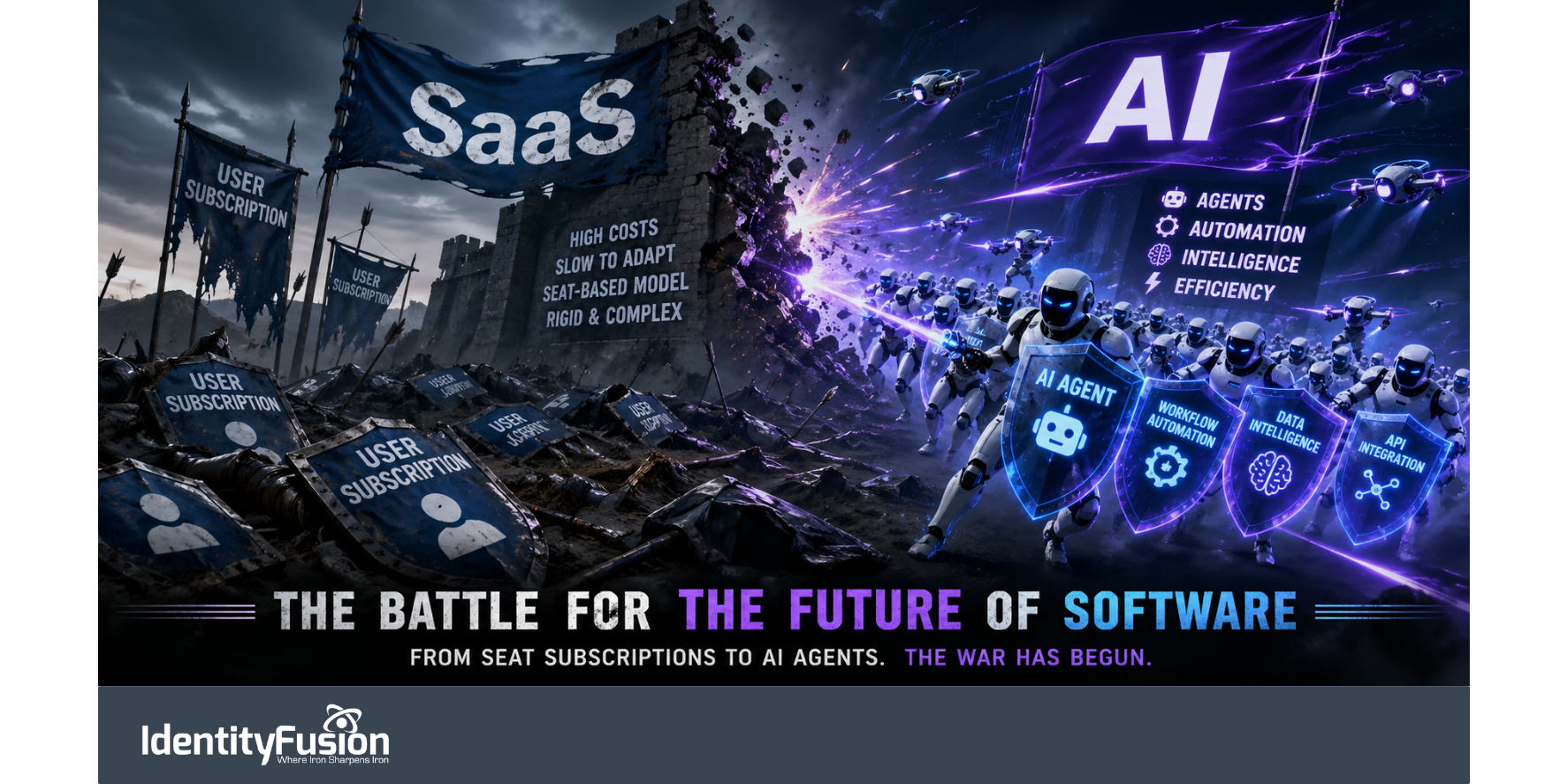
The SaaS model that needs to die is the model built around seat expansion, feature bloat, and user interface captivity. The SaaS model that needs to emerge is built around agent ready platforms, secure APIs, embedded governance, verifiable outcomes, flexible consumption pricing, and enterprise trust.
The SaaS model that needs to die is the model built around seat expansion, feature bloat, and user interface captivity. The SaaS model that needs to emerge is built around agent ready platforms, secure APIs, embedded governance, verifiable outcomes, flexible consumption pricing, and enterprise trust.
SaaS vendors should not fight the customer’s desire to automate work. They should enable it. They should price for it. They should govern it. They should become the safest and most valuable place for AI agents to act.
Because the future of SaaS may not be more users logging in. It may be fewer users, more agents, better outcomes, and a completely different economic model.